12-Point Coverage Assessment
A practical checklist to identify gaps in call coverage and follow-up that cause lost patients and revenue. Use as a baseline before implementing new solutions.
Download this 12-point checklist as a PDF. Complete it during a typical business week to establish a baseline of your actual call handling performance—not what you think happens, but what really happens.
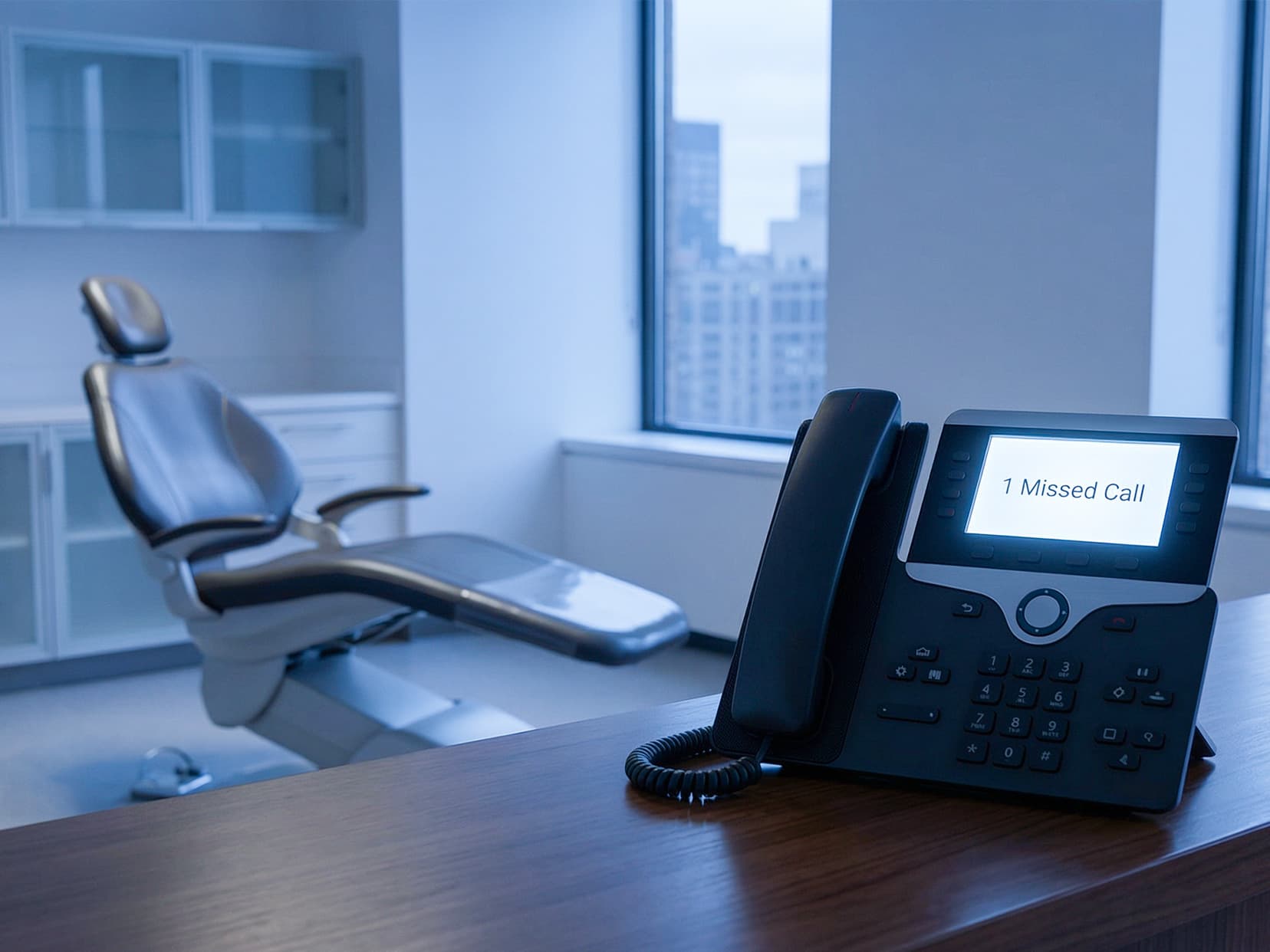
Every missed call represents a potential patient choosing someone else. Studies suggest the average dental practice misses 20-30% of incoming calls, and new patients who can't reach you on the first try rarely call back—they simply call the next practice on their list. The revenue impact is staggering: at $500+ lifetime value per patient, even a few missed calls per day can mean tens of thousands in lost annual revenue. This checklist helps you identify exactly where patients are slipping through the cracks, so you can fix the gaps that matter most.
Basic coverage gaps are the most common—and most costly—source of missed calls. These items help you assess whether calls are actually being answered during business hours.
Calls are picked up promptly even when clinical activity is at its highest and staff are occupied with in-office patients.
Real situation: Call your own practice at 10am on a Monday when operatories are full. Does it ring more than 4 times? Go to voicemail? Get a rushed 'please hold'? That's exactly what new patients experience.
When multiple calls come in simultaneously, patients aren't left on hold so long that they hang up and try elsewhere.
Real situation: Check your phone system data or ask staff: During busy periods, how often are callers on hold for more than 60 seconds? Each extended hold is a patient potentially abandoning the call.
Transition periods when staff are switching don't create coverage gaps where calls go unanswered or to voicemail.
Real situation: What happens to calls at 12:15pm when your front desk takes lunch? If the answer is 'voicemail' or 'we hope it's slow,' you're losing patients during a time when many people call during their own lunch breaks.
Patients don't only call during business hours. These items assess whether you're capturing opportunities and handling emergencies outside your normal schedule.
Calls outside business hours result in either a live response or a reliable message capture system that patients actually use.
Real situation: Check your voicemail first thing Monday morning. How many messages do you have? Now consider: how many callers hung up without leaving one? Industry data suggests only 20-30% of callers leave voicemails—the rest are lost.
Patients with genuine dental emergencies can reach someone who can help, even outside normal hours.
Real situation: If a patient calls at 8pm Saturday with severe pain, what happens? If they just get a voicemail saying 'we'll call you Monday,' they're going to the ER or an emergency dental clinic—and may not come back to you.
Messages left after hours or during busy periods are returned promptly enough that patients haven't already scheduled elsewhere.
Real situation: A new patient leaves a voicemail Saturday afternoon. When do they actually get a callback? If it's Tuesday because Monday was busy, they've likely already booked with someone who answered on Monday morning.
New patient calls have the highest revenue potential and the shortest window of opportunity. These items assess whether you're treating them accordingly.
Staff recognize the difference between a potential new patient and a routine call, and prioritize accordingly.
Real situation: If a new patient call comes in while staff are handling a billing question, which gets priority? New patients are comparing you to competitors in real-time—existing patients will call back.
When a new patient call is missed, there's a system to identify it and attempt callback before they schedule elsewhere.
Real situation: Can you identify which missed calls were from new patients? Do you have a process to call them back within the hour? Speed matters—the first practice to connect often wins the patient.
Every form submission, voicemail, and online inquiry receives a response, ensuring no potential patient falls through the cracks.
Real situation: Check your website contact forms, social media messages, and online booking requests. How many are sitting unanswered? Each one represents someone who reached out and is now waiting—or has moved on.
You can't fix what you can't see. These items assess whether you have the visibility needed to identify and address call handling issues.
There's a system to capture and review missed calls, not just answer the ones that happen to get through.
Real situation: Can you pull a report right now showing how many calls were missed last week? If you can't, you're flying blind—problems exist that you don't even know about.
Practice owners and managers can see call handling metrics without having to ask staff or dig through phone system logs.
Real situation: Do you know your practice's first-call resolution rate? Average hold time? Calls per new patient booked? If leadership doesn't have visibility into these metrics, improvement is guesswork.
Recurring issues (specific times, days, or situations with high missed calls) are identified and systematically resolved.
Real situation: You might discover that Tuesday afternoons have 3x the missed calls of other times. Without pattern analysis, you'd never know—with it, you can staff accordingly or implement backup coverage.
Every unchecked item on this list represents patients who tried to reach you and couldn't—revenue that walked out the door without you even knowing. The good news: once you identify the gaps, fixing them is straightforward. Whether through better staffing, improved processes, or technology solutions, each improvement directly translates to recovered revenue. Use this checklist to establish your baseline, then track your progress as you implement solutions. The goal isn't perfection—it's ensuring that every patient who wants to reach you, can.
What if every call was answered instantly—during lunch, after hours, and when your team is busy with patients? Dentivoice AI receptionist ensures no patient inquiry goes unanswered, turning would-be missed calls into scheduled appointments.
Industry data suggests 20-30% of calls go unanswered at the average practice, but 'normal' shouldn't be your goal. Every missed call is potential revenue lost. Top-performing practices aim for under 5% missed calls through proper coverage and systems.
