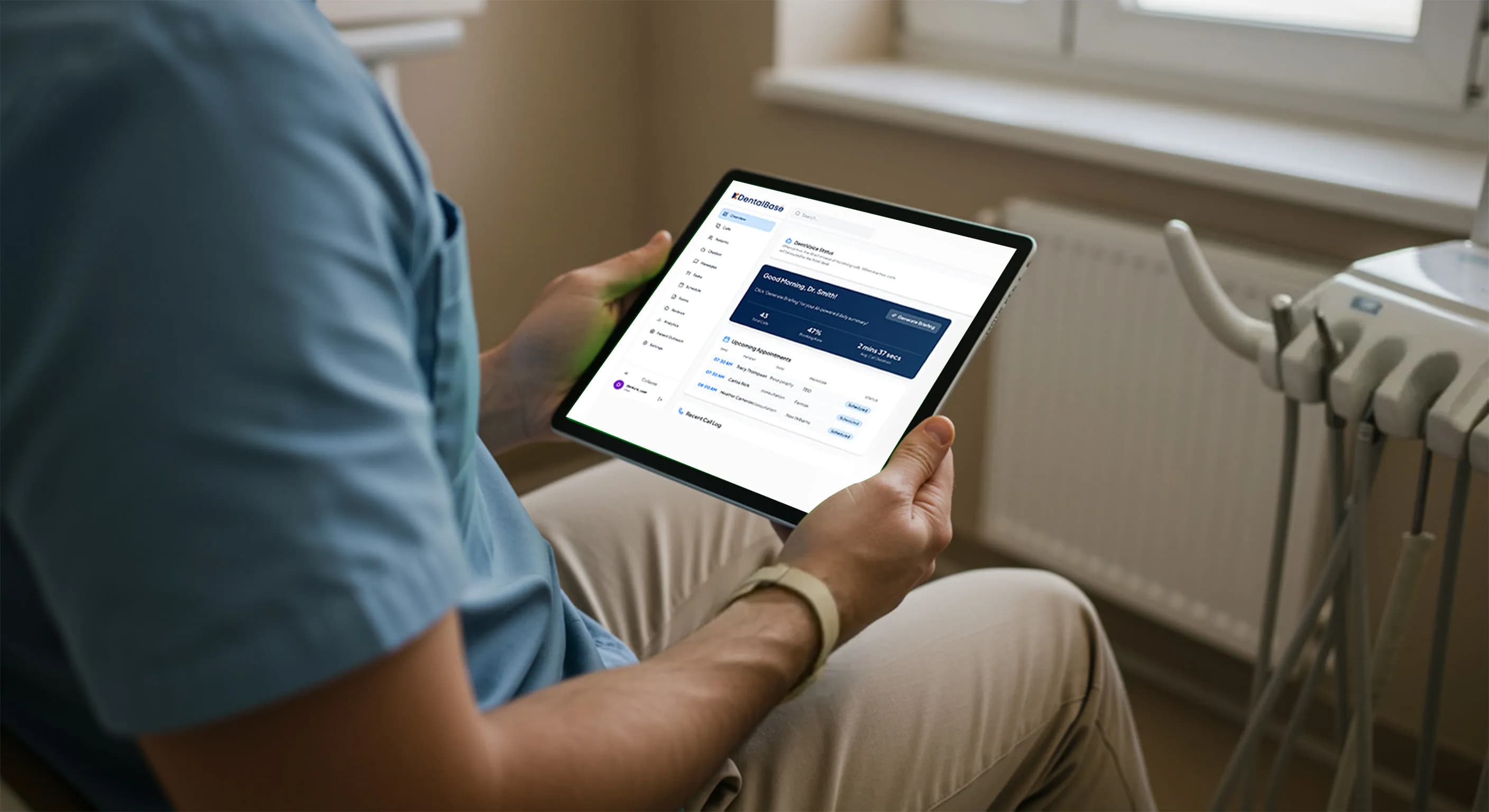
What a Missed Dental Call Really Costs (And How to Fix It)
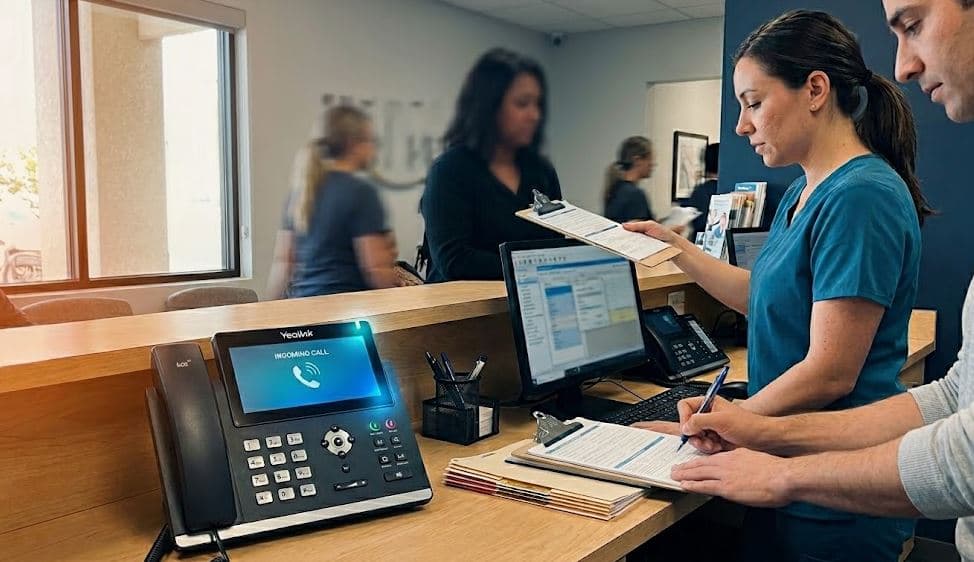
Every missed call is lost revenue. See what unanswered dental calls actually cost your practice and the fastest ways to stop the leak.
Share:
Table of contents
When a dental practice misses a call, it risks losing a potential patient, reducing long term revenue, and weakening patient trust because access and responsiveness influence where patients choose to receive care.
Every phone call to a dental practice represents intent. Patients typically call to schedule an appointment, manage an existing visit, or address an urgent dental concern. When a call goes unanswered, it often becomes a missed opportunity rather than a delayed one.
This article explains what happens when dental calls are missed and why consistent call handling is essential for sustainable practice growth.
Why Every Dental Call Matters
Dental phone calls are high intent patient interactions, not casual inquiries.
Most inbound dental calls fall into one of three categories:
-
New patient inquiries
-
Appointment scheduling or rescheduling
-
Urgent or emergency dental needs
The American Dental Association (ADA) emphasizes the importance of timely patient access and clear communication, particularly for scheduling and urgent care. Healthcare consumer access research shows that when patients cannot reach a provider, they often seek care elsewhere rather than waiting for follow up.
Here is the part that gets missed. A patient who calls your office has already done the hard work of deciding to seek care. They found your number, picked up the phone, and dialed. When that call rings out, you are not losing a lead at the top of a funnel. You are losing someone who was ready to book. Missed dental calls are rarely cold inquiries that can be re-warmed later.
And the type of call matters. A new patient researching three offices behaves very differently from an existing patient confirming a Tuesday cleaning. Knowing what your patients actually call about helps you staff for the moments that matter most.
Related: Most inbound dental calls fall into a handful of predictable categories. See the top 10 dental call types in 2026 →
The Immediate Impact of Missed Dental Calls
Lost New Patients
Missed calls frequently result in lost new patient opportunities.
The immediate impact of a missed dental call is usually permanent loss, not delay. The caller phones the next office, books elsewhere, and never returns. New patients, urgent cases, and scheduling requests are the calls most often lost this way.
Patients seeking dental care often contact more than one practice. If a call is not answered, that practice may be removed from consideration. Healthcare access research referenced in ADA practice management discussions indicates that patients are less likely to wait for a callback when their initial attempt to reach an office is unsuccessful.
Revenue Leakage
Each missed dental call represents potential long term patient value.
Missed calls can mean lost exams, cleanings, treatments, and referrals that never enter the practice. Over time, these missed opportunities quietly reduce revenue without appearing clearly in standard reports.
Practice management analysis published in Dental Economics regularly highlights that the financial value of a dental patient extends well beyond the first visit. Preventive care, restorative treatment, and ongoing services contribute to revenue over time. When a new patient inquiry is missed, that entire potential relationship may never begin.
To make the leak visible, it helps to map a few missed calls per day across a full month and year. The figures below are illustrative, not a quote, but they show how quickly small daily gaps compound.
| Missed calls | Per day | Per work week | Per year (approx.) |
|---|---|---|---|
| Lower estimate | 3 calls | 15 calls | ~780 calls |
| Higher estimate | 5 calls | 25 calls | ~1,300 calls |
Not every missed call would have become a patient. But even a modest booking rate against several hundred missed inquiries a year represents real, recoverable revenue. The cost rarely shows up as a line item, which is exactly why it goes unmanaged.
Damaged Patient Experience
Unanswered calls can negatively influence how patients perceive accessibility and communication.
Even when clinical care is excellent, patients expect dental practices to be reachable. When calls go unanswered, it may create the impression that the practice is unavailable or difficult to communicate with, which can influence care decisions.
Related: Sending callers to voicemail feels like a safety net, but most patients never leave a message. Here is why dental voicemail loses patients →
Long Term Consequences for Dental Practices
Reduced Practice Growth
Missed calls limit new patient acquisition.
Over months, missed calls quietly cap how fast a practice can grow. Fewer new patients enter recurring care, marketing returns shrink, and the schedule softens even while demand stays steady. The damage rarely shows up in any single report.
Marketing efforts such as referrals, search visibility, and advertising depend on inbound inquiries being answered. When calls are missed, practices may experience slower growth even when patient demand exists.
Increased Marketing Costs
Practices may increase marketing spend to compensate for missed calls.
When growth slows, practices sometimes invest more in advertising without realizing that existing inquiries are not being captured. Without improving call handling, additional marketing spend may not improve outcomes.
Think about the math for a moment. You pay to make the phone ring through ads, search, and referrals. If a share of those hard-won calls never connects, you are paying twice: once to generate the call, and again when a competitor books the patient you attracted. A busy signal or an endless ring tone quietly drains every channel feeding your front desk.
If your lines are constantly tied up, the fix is usually capacity, not more spend. Learn why a dental office phone is always busy and how to fix it →
Reputation Considerations
Accessibility influences patient perception.
Patients who cannot reach a dental office may choose another provider or form a negative impression based on communication challenges rather than the quality of care delivered.
Why Dental Practices Miss Calls
Missed calls are usually the result of operational constraints, not lack of effort.
1.Front Desk Overload
Front desk teams juggle check-ins, check-outs, insurance questions, and patient flow. Phones often ring while staff are busy and calls go unanswered.
2.Limited Office Hours
Many patients call before work, during lunch, or after hours. If no one answers, those calls are simply lost.
3.No Call Backup System
Without overflow answering or call support, practices rely entirely on in-house staff creating unavoidable gaps.
When missed dental calls cluster
Three windows account for most unanswered calls: the morning rush as the schedule fills, the lunch hour when coverage thins, and the late afternoon and evening when patients call after their own workday. Map your missed calls against these windows and the pattern usually appears within a week.
None of this means your team is underperforming. A front desk that is buried in check-ins and insurance questions simply cannot answer every line at once. If your front desk is overwhelmed, these 7 signs and fixes help →
How to Reduce Missed Dental Calls
Improve Call Coverage
Consistent call coverage improves patient access.
Reducing missed dental calls comes down to four levers: cover the phones during peak hours, add backup when staff are busy, track when calls slip, and route after-hours calls to a live response. None of these require a bigger ad budget.
In practice, the highest-impact moves tend to be:
-
Cover lunch, early mornings, and after-work hours, when most missed calls happen.
-
Give the front desk live backup so a busy lobby never silences the phones.
-
Review answer rate and abandoned calls weekly, not just total volume.
-
Make sure after-hours callers reach a person or assistant instead of voicemail.
Ensuring phones are answered during peak times, breaks, and extended hours increases the likelihood that patient inquiries are captured.
Use Professional Call Support
External call support can supplement in office teams.
Some practices choose to use professional answering support to manage overflow and after hours calls, ensuring patients can reach a live person even when the office is busy.
Track Missed Call Patterns
Monitoring call activity reveals operational gaps.
Tracking when and how often calls are missed helps practices identify staffing or scheduling challenges and improve patient access.
You cannot fix what you do not measure. Reviewing call volume by hour, answer rate, and abandoned-call counts turns a vague "we miss some calls" into a specific staffing decision. These 7 dental call analytics metrics show where revenue leaks →
Use an AI Receptionist to Support Call Handling
AI receptionist solutions are an emerging option for managing dental calls.
Some dental practices use AI powered receptionist technology to answer incoming calls, handle routine patient inquiries, and support scheduling when in office staff are unavailable. This approach can help practices extend call coverage while maintaining consistent patient access.
This is also how many offices finally cover nights and weekends without adding payroll. See how to answer dental calls after hours without hiring → The goal is not to remove your team from the phones. It is to make sure no patient hits a dead end when your staff is busy or the office is closed.
Stop losing patients to missed dental calls
DentiVoice answers incoming calls, handles scheduling questions, and covers after-hours communication so callers always reach a live, helpful voice.
See how DentiVoice works →
The Real Cost of Missed Dental Calls
Even a small number of missed patient inquiries can affect long term practice growth.
Missing just a few calls per day can translate into thousands in lost monthly revenue. Over a year, the cost compounds while competitors gain those same patients. Weighed against the monthly cost of a system that answers those calls, most practices find the payback period is measured in weeks, not years.
Answering more calls doesn’t require more marketing. It requires better call management.
So how exposed is your practice right now? Run through the quick check below. The more boxes you leave unchecked, the more missed dental calls are likely slipping past your front desk unnoticed.
Missed-call readiness check
Check each item your practice already has in place.
Your score: count your checks out of 5. Three or fewer means missed calls are likely costing you patients.
The encouraging part is that this is an operational fix, not a marketing one. You already have the demand. Capturing more of it is about coverage, routing, and follow-through, the levers you actually control. Phone coverage is just one piece of that operational fix; practice management automation more broadly extends the same ROI logic to scheduling, reminders, and recall.
Related: Answering inbound calls is only half the picture. Reaching out at the right time keeps patients on the schedule. See automated dental recall reminders that actually get answered →
Frequently Asked Questions (FAQ)
What happens when a dental office misses a phone call?
When a dental office misses a phone call, it may lose a potential patient because callers often contact another provider rather than waiting for a callback. Missed calls can reduce patient access, weaken trust, and limit long term practice growth.
Do patients usually call back if a dental office does not answer?
Healthcare access research indicates that patients often contact another dental office if they cannot reach the first one, especially when they are trying to schedule care or address an urgent concern.
Can missed dental calls affect practice revenue?
Yes. Missed dental calls can affect revenue by reducing the number of new patients who enter ongoing care, which impacts preventive visits, treatment acceptance, and long term patient value.
Why do dental practices miss phone calls?
Dental practices most often miss calls due to operational constraints. Front desk teams frequently manage in person patient flow, administrative tasks, scheduling, and phone communication at the same time, which increases the likelihood of missed calls during busy periods.
Are missed calls a sign of poor patient experience?
Not necessarily, but unanswered calls can be perceived as inaccessibility. Even when clinical care is strong, difficulty reaching a practice by phone can influence how patients evaluate their experience.
How can dental practices reduce missed phone calls?
Dental practices can reduce missed calls by improving call coverage during peak times, extending availability when possible, and using additional call support to supplement in office staff.
Do missed calls impact dental practice growth over time?
Yes. Missed calls can limit new patient acquisition, which affects long term growth, marketing efficiency, and overall practice sustainability.
How does Dentivoice help dental practices manage incoming calls?
Dentivoice supports dental practices by answering incoming patient calls, handling scheduling inquiries, and managing after hours communication. This helps practices improve accessibility for patients while allowing in office teams to focus on patient care.
Bottom line:
Missed dental calls affect patient access, trust, and long term growth. Practices that prioritize call handling improve patient experience and create more consistent, sustainable outcomes.
Answer every patient call, even the ones you miss today
DentiVoice gives your practice consistent call coverage during peak hours and after close, so high-intent callers reach help instead of a dial tone.
Explore DentiVoice →Frequently Asked Questions
It usually means the front desk is busy with in-office patients or the call is outside regular hours. Unfortunately for patients, it can also mean you may need to call another office because many practices don’t return missed calls promptly.
If your call is urgent or you’re trying to schedule quickly, it’s often better to call another dental office. Research shows many patients don’t receive callbacks and end up getting care elsewhere.
Yes. If your call isn’t answered, your request may never enter the scheduling system, which can delay or prevent you from securing an appointment, especially for new patient visits.
Not necessarily. Many high-quality dental practices miss calls due to staffing limitations, but repeated difficulty reaching an office can signal access issues that may impact your overall experience.
Sources & References
- 1
- 2
- 3
- 4
Topics
Was this article helpful?
Written by
DentalBase Team
Expert dental industry content from the DentalBase team. We provide insights on practice management, marketing, compliance, and growth strategies for dental professionals.