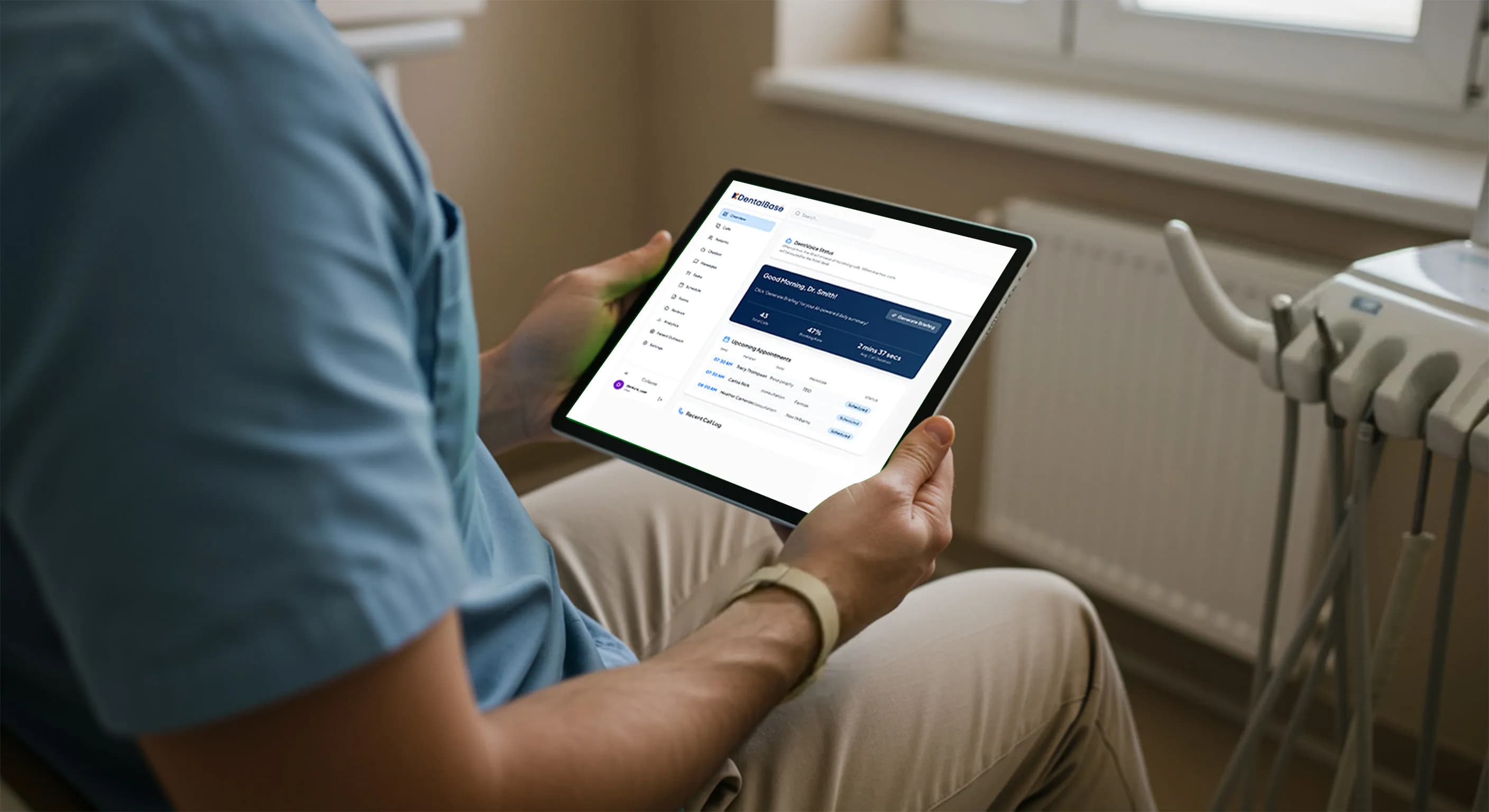
HIPAA-Compliant Dental Communication with AI
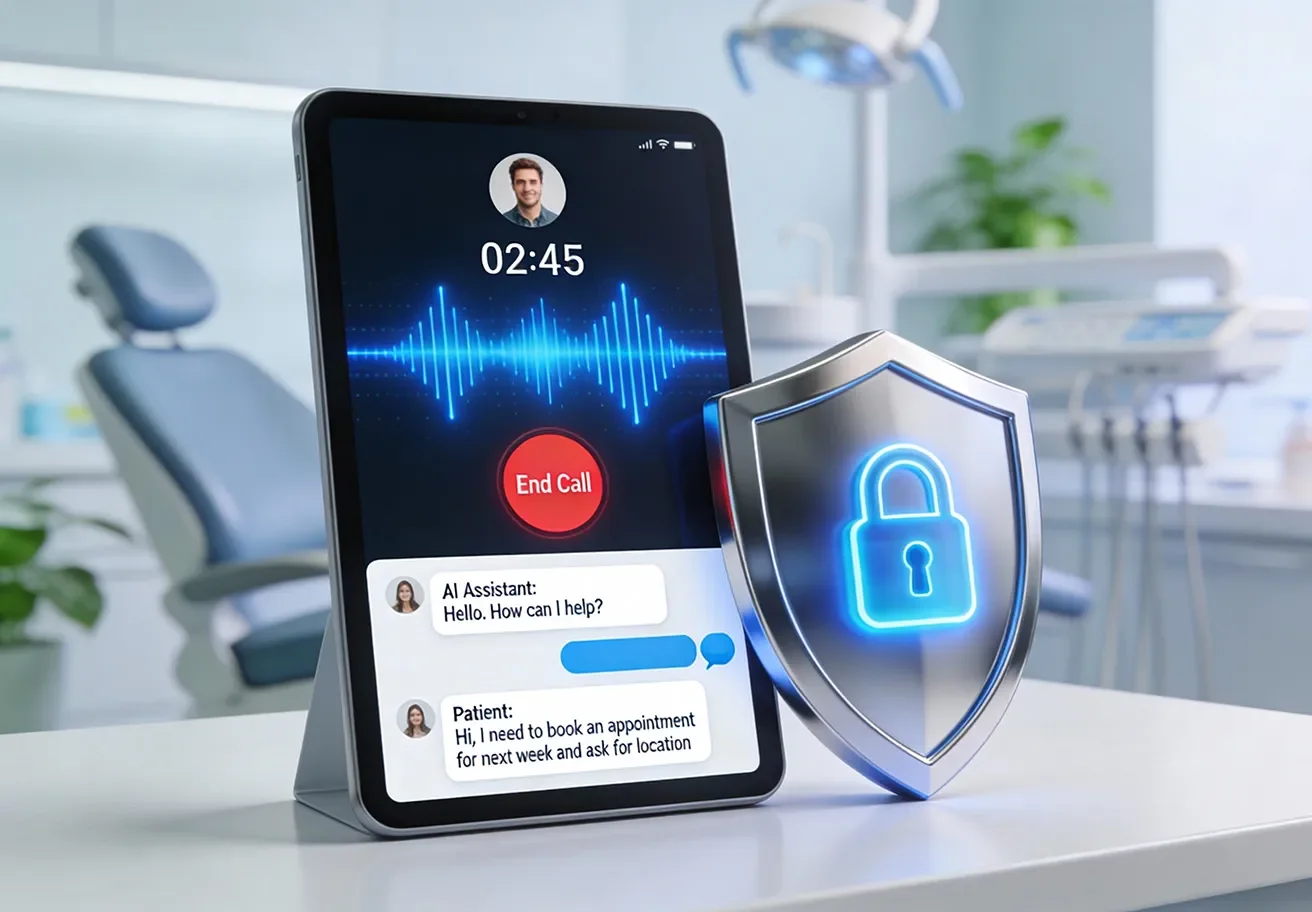
Learn how AI enables HIPAA-compliant dental communication while reducing human error, improving patient trust, and minimizing data risk.
Share:
Table of contents
Dental practices handle sensitive patient data every day from medical histories to appointment details. Ensuring HIPAA compliant dental communication is no longer optional, especially as clinics adopt AI-driven tools for calls, messages, and follow-ups.
When implemented correctly, AI can strengthen compliance, reduce human error, and improve patient communication without compromising data security. This guide explains how AI supports HIPAA-compliant communication in modern dental practices.
Why HIPAA Compliance Matters in Dental Communication
HIPAA regulations are designed to protect Protected Health Information (PHI). In dental offices, violations often happen unintentionally through:
-
Voicemail messages with sensitive details
-
Unsecured SMS or email reminders
-
Human errors during phone calls
-
Inconsistent communication workflows
Even small mistakes can result in legal penalties and loss of patient trust.
How AI Enables HIPAA-Compliant Dental Communication
1. Standardized, Controlled Communication
AI systems follow predefined compliance rules every time they interact with patients.
This ensures:
-
No accidental disclosure of PHI
-
Consistent messaging across all channels
-
Reduced variability caused by human error
Standardization is one of AI’s biggest compliance advantages.
2. Secure Call Handling & Data Encryption
Modern AI communication platforms use:
-
Encrypted voice and messaging channels
-
Secure data storage
-
Controlled access permissions
These measures protect patient data during calls, appointment booking, and follow-ups.
3. Role-Based Access & Audit Trails
AI systems log every interaction, creating clear audit trails.
Benefits include:
-
Easier compliance reporting
-
Visibility into who accessed patient data
-
Faster issue resolution if concerns arise
This level of tracking is difficult to maintain manually.
4. Reduced Human Error in Patient Interactions
Human mistakes are one of the leading causes of HIPAA violations. AI minimizes risk by:
-
Avoiding improvised responses
-
Following strict conversation rules
-
Preventing unauthorized information sharing
Less manual handling means lower compliance risk.
5. Safe Automated Reminders & Follow-Ups
AI enables HIPAA-compliant reminders without revealing sensitive details.
For example:
-
Appointment confirmations without procedure specifics
-
Neutral follow-up messages
-
Secure communication channels
Patients stay informed while their privacy remains protected.
Best Practices for Using AI in HIPAA-Compliant Dental Communication
Choose Dental-Focused AI Solutions
Not all AI platforms are built for healthcare. Dental-specific AI understands:
-
Dental workflows
-
Patient communication standards
-
Compliance requirements
Train Staff on AI Usage
AI supports compliance, but staff should:
-
Understand what AI can and cannot share
-
Know how to escalate sensitive cases
-
Monitor interactions when needed
How Dentivoice Supports HIPAA-Compliant Dental Communication
Dentivoice is designed with HIPAA-compliant dental communication at its core.
With Dentivoice, dental practices benefit from:
-
Secure AI-powered call handling
-
Controlled, compliant patient messaging
-
Reduced risk of human error
-
Consistent patient experience
Dentivoice helps clinics modernize communication without sacrificing compliance.
FAQs: HIPAA-Compliant Dental Communication
Is AI allowed under HIPAA regulations?
Yes. AI is allowed when implemented with proper safeguards, encryption, and access controls.
Does AI reduce HIPAA violation risk?
Yes. AI reduces human error, one of the leading causes of compliance breaches.
Can AI send appointment reminders securely?
Yes. AI can send HIPAA-compliant reminders without exposing sensitive patient information.
Is Dentivoice HIPAA-compliant?
Dentivoice is designed to support HIPAA-compliant dental communication workflows.
Final Thoughts
AI is not a compliance risk — when used correctly, it is a compliance advantage. By adopting secure, dental-focused AI tools, clinics can deliver efficient, patient-friendly communication while maintaining full HIPAA compliance.
With Dentivoice, dental practices can confidently combine innovation with trust.
Frequently Asked Questions
Yes, it can be safe when the dental office uses HIPAA-compliant AI. These systems use encrypted communication, limit access to your information, and avoid sharing sensitive details like treatment names in messages.
HIPAA-compliant AI reminders are designed not to include procedure details. You may receive neutral messages confirming dates and times without exposing sensitive health information.
AI follows strict, pre-set rules every time, which helps avoid human mistakes. Unlike manual calls or messages, AI does not improvise or accidentally share protected health information.
Dental-focused AI platforms store data securely with encryption and controlled access. Your information should only be accessible to authorized staff, and reputable tools keep detailed audit logs.
Topics
Was this article helpful?
Written by
DentalBase Team
Expert dental industry content from the DentalBase team. We provide insights on practice management, marketing, compliance, and growth strategies for dental professionals.